You Won’t Believe What I Found in Shirakawa-go’s Hidden Village
Tucked away in Japan’s mountainous wilderness, Shirakawa-go feels like a secret the world forgot. Thatched roofs rise like ancient whispers from the mist, and time moves slower here. I came for the scenery but stayed for the culture—the real, lived-in kind you can’t fake. From winter snowscapes to handmade washi paper, every moment felt like stepping into a centuries-old story. This isn’t just tourism; it’s a quiet invitation to experience Japan’s soul.
Discovering Shirakawa-go: More Than Just a Postcard
Shirakawa-go, a UNESCO World Heritage site nestled in the remote mountains of Gifu Prefecture, offers a rare glimpse into rural Japan’s enduring spirit. Accessible by bus from Takayama or Kanazawa, the journey itself feels like a transition from modernity to memory. As the road winds higher into the forested hills, the village appears almost by surprise—clustered farmhouses with sweeping thatched roofs rising gently from the valley floor. Whether dusted in winter snow or glowing under autumn’s golden canopy, the first sight of Shirakawa-go stirs something deep in the heart.
Despite its growing fame, Shirakawa-go remains remarkably untouched by mass tourism. There are no high-rise hotels, no neon signs, and no shopping malls. The absence of commercial clutter is intentional—preservation is the village’s highest priority. Local regulations strictly govern construction, signage, and visitor behavior, ensuring that every change respects tradition. This deliberate restraint is what gives Shirakawa-go its authenticity. It does not perform heritage; it lives it.
What makes the village feel truly hidden is not its geography alone, but its rhythm. Life unfolds at a pace dictated by seasons and community needs, not tourist schedules. Visitors are welcomed, but not catered to. This balance between accessibility and integrity is rare in today’s travel landscape. For families seeking meaningful experiences, Shirakawa-go offers something increasingly precious: a place where beauty is not staged, but sustained through quiet dedication.
The Magic of Gassho-zukuri Architecture
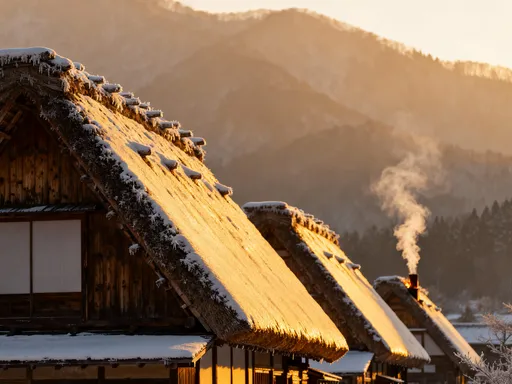
The most striking feature of Shirakawa-go is its gassho-zukuri farmhouses—named for their steep, triangular roofs that resemble hands folded in prayer. These structures are marvels of traditional Japanese craftsmanship, designed to withstand the region’s heavy snowfall, which can reach several meters each winter. The roofs’ sharp incline allows snow to slide off naturally, preventing collapse, while the thick layers of thatch provide excellent insulation against the cold.
What is even more remarkable is how these homes were built entirely without nails. Using interlocking wooden joints and bamboo ties, artisans assembled these multi-story buildings with precision passed down through generations. The construction techniques reflect a deep understanding of local materials and environmental challenges. Each beam was carefully selected and shaped, often from Japanese cypress or cedar, known for their durability and resistance to decay.
Inside, the layout serves both practical and social needs. Livestock were traditionally housed on the ground floor, providing warmth that rose to the living quarters above. Families lived on the second and third floors, where large open spaces centered around the irori—a sunken hearth used for cooking, heating, and gathering. The expansive attic once played a vital role in sericulture, the raising of silkworms, which sustained many households economically. Even today, visitors can feel the ingenuity in every corner—the scent of aged wood, the soft crackle of the fire, the gentle creak of floorboards underfoot—all speak of a life lived in harmony with nature.
Staying Overnight: Life Inside a Thatched Farmhouse
To visit Shirakawa-go during the day is to admire its beauty from a distance. To stay overnight, however, is to step inside its living history. Several of the village’s gassho-zukuri homes operate as minshuku—family-run guesthouses that offer travelers a chance to experience rural Japanese hospitality. These accommodations are simple but deeply comforting, offering futons laid out on tatami-matted floors, home-cooked meals, and quiet evenings by the hearth.
One of the most touching aspects of a minshuku stay is the personal connection with hosts. Many are descendants of families who have lived in the same house for centuries. Over dinner, served with care and quiet pride, guests often hear stories of childhood winters, ancestral traditions, or the challenges of maintaining such historic homes. Language barriers melt away in shared laughter and gestures, creating moments of genuine warmth.
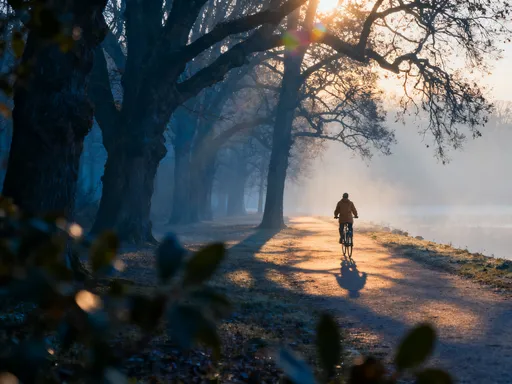
Waking before sunrise reveals a side of Shirakawa-go few see. Mist curls around the rooftops like breath in the cold air, and the village lies in peaceful silence. The absence of traffic and city noise allows the natural sounds to emerge—the distant crow of a rooster, the rustle of leaves, the soft crunch of snow underfoot. These quiet hours offer space for reflection, a rare gift in our fast-paced world. For mothers and caregivers accustomed to constant movement, this stillness can feel like a balm for the soul.
Staying overnight also supports the village’s sustainability. With visitor numbers regulated, overnight guests help distribute tourism’s economic benefits more evenly than day-trippers. It is a small but meaningful way to honor the community’s efforts to preserve its way of life.
Local Traditions That Still Thrive
Shirakawa-go is not a museum frozen in time. Its culture is alive, nurtured by residents who value continuity without resisting gentle change. One of the most accessible traditions is washi paper making, a craft practiced for generations using mulberry fibers. Visitors can try their hand at creating small sheets under the guidance of local artisans, feeling the delicate balance of water, pulp, and patience required to form each sheet.
Culinary traditions are equally vibrant. Meals in minshuku often feature regional specialties such as soba noodles made from locally grown buckwheat, or gohei mochi—rice dumplings grilled over an open flame and brushed with a savory-sweet miso sauce. Preparing and sharing food is an act of care, and many hosts welcome guests to observe or assist in the kitchen, turning dinner into a shared ritual.
Seasonal festivals deepen the sense of community. The Doburoku Matsuri, held each autumn, celebrates the brewing of a rustic, unfiltered sake offered to the village shrine. The festival includes traditional music, dance, and prayers for a good harvest. While visitors are welcome to observe, participation is respectful and guided, ensuring that sacred customs are not turned into performances for tourists.
Beyond these visible traditions, quieter efforts sustain the village’s identity. Elders teach younger generations the local Hida dialect, folk songs are sung at gatherings, and agricultural practices like rice planting and harvesting continue with seasonal precision. These acts of preservation are not driven by nostalgia alone, but by a belief that a meaningful life is rooted in place and memory.
Beyond the Village: Hidden Corners and Quiet Paths
While the central area of Shirakawa-go draws most visitors, those who wander further discover quieter, more intimate spaces. A short walk from the main road leads to Myozenji Temple, a modest wooden shrine tucked among cedar trees. Its simple gate and weathered steps invite quiet contemplation. A few offerings left at the altar and the faint chime of a bell remind visitors that this is a place of devotion, not display.
Another rewarding path follows the Shogawa River, offering panoramic views of the village from across the water. In the early morning light, the reflection of thatched roofs shimmers on the surface, creating a scene of serene symmetry. Benches along the trail provide places to pause, breathe, and absorb the stillness. Few tourists linger here, making it ideal for those seeking solitude.
Timing enhances the experience. Arriving at dawn allows one to witness the village awaken—smoke rising from chimneys, lights flickering on in windows, the first footsteps on snowy paths. Late afternoon brings a golden glow as the sun dips behind the mountains, casting long shadows across the rooftops. These transitional hours, when light and quiet conspire to elevate the ordinary into the poetic, are when Shirakawa-go feels most alive.
Walking mindfully through these spaces encourages a slower, more attentive way of traveling. There is no rush, no checklist to complete. Instead, there is space to notice—a spiderweb jeweled with dew, the pattern of snow on a roof, the sound of wind through bamboo. For women who spend their days managing households and schedules, this kind of unhurried presence can feel like a quiet rebellion against the demands of modern life.
Sustainable Tourism: How to Visit Right
As Shirakawa-go’s popularity grows, so do concerns about overtourism. Thousands of visitors arrive each year, especially during peak seasons like winter and autumn foliage. While tourism brings necessary income, it also risks overwhelming the village’s fragile infrastructure and disrupting daily life. Recognizing this, local authorities have implemented measures to protect the community’s well-being.
One of the most important rules is the limitation on visitor numbers during high season. Certain areas may be temporarily closed to allow residents space and privacy. Drones are strictly prohibited, as are flash photographs inside homes and shrines, out of respect for both safety and tradition. These guidelines are not inconveniences—they are invitations to engage more thoughtfully.
Travelers can support sustainability by visiting during shoulder seasons, such as late spring or early winter, when crowds are thinner and accommodations more available. Choosing to stay overnight rather than taking a day trip reduces pressure on transportation and allows for deeper connection. Equally important is supporting local businesses—buying handmade crafts, eating at family-run restaurants, and purchasing regional products like Hida beef or locally brewed miso.
Responsible tourism also means leaving no trace. Littering is rare but not impossible, and the delicate ecosystem of the valley depends on collective care. Teaching children to respect quiet spaces, to walk gently on paths, and to appreciate without taking helps instill values that extend far beyond travel. In Shirakawa-go, every action, no matter how small, contributes to the balance between sharing and preserving.
Why Shirakawa-go Stays With You
The true impact of Shirakawa-go reveals itself only after you’ve left. It is not the kind of destination that fades from memory once the photos are shared. Instead, it lingers—in the way you pause to notice light through a window, in the sudden appreciation for handmade things, in the quiet longing for stillness. What stays is not just the image of thatched roofs under snow, but the feeling of being present in a place where time is measured not in minutes, but in generations.
For many women, especially those who carry the emotional and practical labor of family life, Shirakawa-go offers a rare kind of renewal. It does not entertain or dazzle. It does not demand attention. Instead, it offers space—to breathe, to listen, to remember what matters. In the warmth of the irori, in the hands of an elder teaching paper-making, in the silence between footsteps on a snowy path, there is a reminder that life can be simple, deep, and beautiful.
This village is not just a destination. It is a reflection of values worth protecting: community, craftsmanship, continuity. It challenges the modern assumption that progress means speed, convenience, and constant change. Here, progress looks like maintaining a home for 300 years, like teaching a child a folk song, like sharing a meal with a stranger as if they were family.
To visit Shirakawa-go is to be gently reminded that the world still holds places of quiet wonder. It invites travelers not to consume, but to connect. And in that connection—between past and present, stranger and host, self and stillness—lies its quiet magic. For those ready to slow down, to listen closely, and to honor the beauty of ordinary lives well lived, Shirakawa-go waits—not as a spectacle, but as a quiet revelation.