You Gotta See How Adelaide Turns City Life Into Art
Adelaide isn’t just another Australian city—it’s a living canvas where urban design meets everyday life. I was blown away by how effortlessly it blends green spaces, street art, and pedestrian-friendly streets. This is urban living done right: human-scale, creative, and surprisingly relaxed. If you’re into cities that feel alive but not overwhelming, let me show you why Adelaide’s urban vibe is an absolute must-see.
The Pulse of the City: Exploring Adelaide’s Urban Heart
At first glance, Adelaide feels different. Unlike many cities that grow outward in chaotic sprawl or upward in towering density, Adelaide was designed with breathing room built into its DNA. At the core of this distinction is its unique urban layout—a central grid of streets embraced by a ring of parklands that encircle the city center. This visionary design dates back to 1837, when Colonel William Light, the city’s planner, chose not to maximize land for development, but to create a city that balanced urban life with nature. Today, this foresight translates into an urban environment where wide boulevards, tree-lined avenues, and open green spaces coexist seamlessly.
The Adelaide Park Lands are more than just decorative—they are functional lungs for the city. Spanning over 760 hectares, they form the largest expanse of urban parkland in any Australian capital. These green belts buffer the city from the noise and congestion typical of metropolitan centers. Locals use them for morning jogs, weekend picnics, community festivals, and even outdoor yoga classes. Children fly kites near the Torrens Lake, while dog walkers meander along shaded paths. This integration of nature into the city’s core fosters a slower, more mindful pace of life—one that prioritizes well-being over speed.
What truly sets Adelaide apart is how this layout influences daily behavior. The city grid is walkable by design, with blocks sized to encourage foot traffic rather than car dependency. Public plazas, such as Victoria Square and Hindmarsh Square, act as gathering points, hosting everything from farmers’ markets to cultural performances. The absence of overwhelming scale—few skyscrapers, no dense clusters of high-rises—means that even first-time visitors don’t feel dwarfed or disoriented. Instead, the city feels intimate, navigable, and human-centered.
From Pavements to Public Art: Street Culture That Speaks
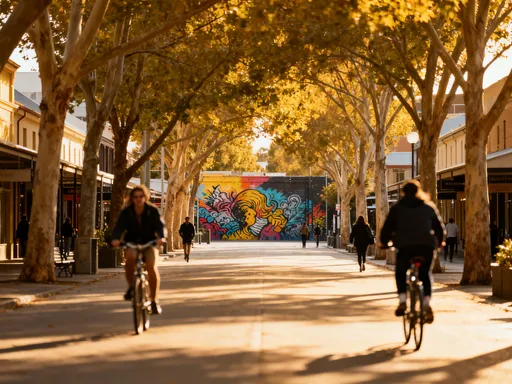
Wander through Adelaide’s laneways, and you’ll quickly realize that art isn’t confined to galleries—it’s embedded in the streets themselves. Rundle Lane, Peel Street, and the alleys behind Gouger Street pulse with color, texture, and narrative. Murals rise several stories high, depicting everything from Aboriginal Dreamtime stories to whimsical interpretations of local wildlife. Sculptures made from recycled metal peek out from unexpected corners, and chalk art often brightens footpaths during cultural festivals. This isn’t random decoration; it’s a deliberate, city-supported movement to democratize art and enliven underused spaces.
Public art in Adelaide is not just aesthetic—it’s transformative. Areas once overlooked or considered transitional, such as backstreets and parking lots, have become destinations in their own right. The Adelaide Street Art Trail guides visitors through more than 30 major works, each with a plaque explaining the artist’s intent and cultural context. This initiative, led by the City of Adelaide in partnership with local arts organizations, ensures that creativity is not reserved for the elite but shared with everyone who walks the streets. It also provides a platform for emerging artists, particularly from Indigenous and multicultural communities, to share their stories in highly visible ways.
One of the most powerful examples is the Tandanya National Aboriginal Cultural Institute, which sits at the heart of the city and serves as both a gallery and performance space. Its exterior mural, painted by Kaurna elder Karl Winda Telfer, honors the traditional custodians of the land and educates passersby about the deep cultural history beneath the modern cityscape. These artistic expressions don’t just beautify—they educate, connect, and heal, turning public spaces into shared cultural narratives.
Green by Design: Parks and Playgrounds in the City Mix
Adelaide’s commitment to green space goes beyond the iconic parklands. Throughout the city, thoughtful planning has ensured that nature is never more than a ten-minute walk away. Victoria Park, once a horse racing track, has been reimagined as a sprawling urban park with native gardens, fitness trails, and open lawns for community events. The River Torrens Linear Park, stretching over 30 kilometers from the Adelaide Hills to the sea, offers a continuous green corridor for cyclists, walkers, and kayakers. Along its banks, families gather for barbecues, students study under gum trees, and birdwatchers spot native species like the Australian white ibis and the crimson rosella.
Even in densely populated neighborhoods, small-scale green interventions make a difference. Pocket parks—miniature green spaces tucked between buildings—have been introduced in areas like the West End and Norwood. These spaces, though modest in size, are rich in function: they include seating, shade trees, and sometimes even water features or public art. They serve as quiet retreats in otherwise busy environments, offering respite for office workers, parents with strollers, and elderly residents seeking fresh air.
Beyond recreation, these green spaces play a critical role in environmental sustainability. They reduce urban heat island effects, absorb stormwater runoff, and support local biodiversity. Native plantings attract pollinators and reduce the need for irrigation, aligning with Adelaide’s broader climate resilience goals. The city’s Urban Forest Strategy aims to increase tree canopy cover to 30% by 2040, further enhancing air quality and shade. This long-term vision reflects a deep understanding that livability isn’t just about buildings—it’s about the living systems that sustain them.
Walking the Walk: A Pedestrian-First Mindset
One of the most refreshing aspects of Adelaide is how easily you can explore it on foot. The city consistently ranks among Australia’s most walkable, thanks to deliberate design choices that prioritize people over vehicles. Wide sidewalks, shaded pathways, and frequent crosswalks make walking not just possible, but enjoyable. In the central business district, entire zones are car-free or car-limited, including parts of Rundle Mall and the newly revitalized City Cross precinct. These areas buzz with foot traffic, outdoor dining, and street performers, creating a vibrant street life that feels safe and inclusive.
The city’s attention to pedestrian comfort extends to details often overlooked elsewhere. Benches are plentiful and strategically placed. Public drinking fountains and shaded rest areas are integrated into walking routes. Traffic signals are timed to favor foot traffic, reducing wait times at crossings. Even the paving materials are chosen for slip resistance and thermal comfort, ensuring surfaces don’t become dangerously hot in summer. These small decisions collectively create an environment where walking isn’t a chore, but a pleasure.
Walkability also strengthens the local economy. Studies have shown that pedestrians spend more time—and money—in city centers than drivers. In Adelaide, independent boutiques, cafes, and bookstores thrive because foot traffic brings steady customers. Markets like the Adelaide Central Market benefit from their central location and easy access, drawing both locals and tourists who prefer to stroll rather than drive. This pedestrian-first approach fosters not just convenience, but community—people linger, chat, and build connections in ways that car-centric cities often miss.
Transit That Works: Getting Around Without the Hassle
For those who want to go beyond walking, Adelaide offers a reliable and increasingly sustainable public transit system. The Free City Connector Bus loops through the city center and key suburbs every 10 to 15 minutes, making it easy to reach destinations without a car. Fully electric and zero-emission, these buses reflect the city’s commitment to clean urban transport. The recently extended Glenelg Tram now reaches the entertainment precinct and Adelaide Airport, offering a smooth, scenic ride along the coastline. With plans to expand the tram network further, the city is investing in long-term transit solutions that reduce congestion and pollution.
Cycling is also well-supported. Dedicated bike lanes, secure parking, and the Adelaide Bike Share program make two-wheeled travel accessible. The North-South Bikeway and Eastern Transport Corridor provide safe, continuous routes for commuters and recreational riders alike. Cyclists can easily access the River Torrens path, which serves as a green spine connecting suburbs to the city. For families, the flat terrain and mild climate make biking a practical and enjoyable option year-round.
What makes Adelaide’s transit system stand out is its integration. Buses, trams, and bikes are designed to work together, with real-time arrival displays, unified ticketing, and clear signage. The myGOV app allows users to plan trips, check schedules, and purchase tickets in one place. This seamless connectivity reduces stress and encourages more people to leave their cars at home. As urban populations grow, such integrated systems will be essential for maintaining mobility without sacrificing quality of life.
Spaces That Spark Connection: Markets, Plazas, and Shared Life
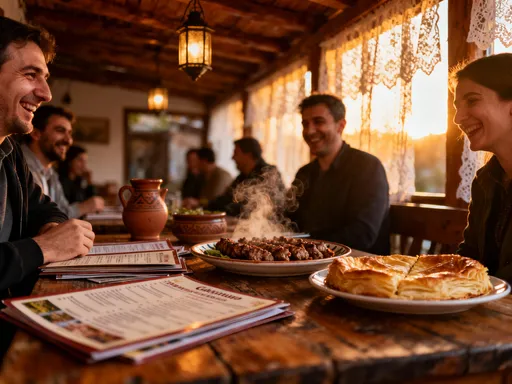
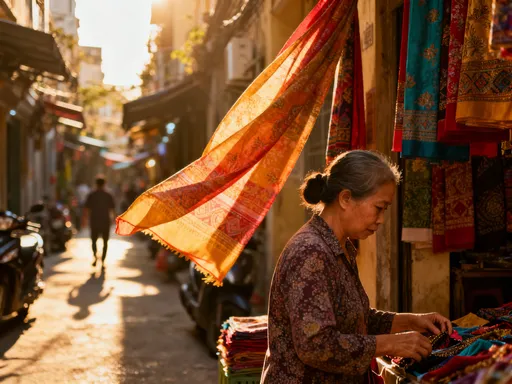
At the heart of Adelaide’s urban charm are its gathering places—spaces where people come together not out of obligation, but because they want to. The Adelaide Central Market is a prime example. More than just a place to buy fresh produce, it’s a cultural hub where generations meet over coffee, sample international foods, and chat with vendors who’ve served the same families for decades. On any given day, you might hear Italian, Vietnamese, or Arabic spoken alongside English, reflecting the city’s rich multicultural fabric.
Plazas like Hindley Street Plaza and Light Square are designed to encourage spontaneous interaction. Moveable chairs and tables allow people to rearrange seating to suit their needs. Outdoor stages host live music, dance performances, and community workshops. During festivals like Illuminate Adelaide, these spaces transform with light installations and interactive art, drawing crowds after dark and reinforcing the idea that cities should be alive at all hours.
These shared spaces are carefully programmed to feel welcoming without being overly controlled. Street musicians are licensed rather than banned, adding to the city’s rhythm. Community groups are given permits to host events, fostering ownership and pride. The result is a public realm that feels authentic, not corporate or sterile. In an age when many cities prioritize commercial development over human connection, Adelaide reminds us that the most valuable urban assets are the moments of connection they enable.
The Future of Urban Living: What Adelaide Gets Right (And Can Share)
Adelaide offers a quiet but powerful lesson for cities around the world: greatness isn’t measured by size, but by thoughtfulness. While other capitals chase skyscrapers and megaprojects, Adelaide focuses on livability, sustainability, and community well-being. Its low-rise density preserves views, reduces shadowing, and maintains a human scale. Its participatory planning processes invite residents to shape developments, ensuring that growth reflects local needs rather than distant investor interests.
One of the most promising aspects of Adelaide’s model is its adaptability. The city has successfully repurposed underused spaces—former industrial sites, vacant lots, even rooftops—into parks, housing, and cultural venues. The Lot Fourteen innovation district, built on the site of a former hospital, now houses startups, defense tech firms, and the Australian Space Agency, proving that regeneration can be both forward-thinking and community-oriented. This kind of incremental, responsive development offers a blueprint for cities facing pressure to grow without losing their soul.
Moreover, Adelaide’s approach is inherently inclusive. By prioritizing walkability, green space, and public art, the city ensures that quality of life isn’t reserved for those who can afford private amenities. Parks are free. Art is accessible. Transit is affordable. These choices reflect a philosophy that urban design should serve everyone, not just the privileged few. As climate change, housing shortages, and social fragmentation challenge cities globally, Adelaide’s model—rooted in balance, foresight, and care—offers a compelling alternative.
Adelaide proves that a city can be modern without losing its soul. Its urban spaces aren’t just functional—they’re joyful, inclusive, and thoughtfully crafted. By putting people first, it shows us what’s possible when design serves life, not just development. Maybe the future of cities isn’t about going bigger—but going wiser.