You Won’t Believe These Hidden Gems in Langkawi
Langkawi, Malaysia, is more than just postcard-perfect beaches—it’s a treasure trove of lush rainforests, misty peaks, and secret coves waiting to be explored. I was blown away by how much raw beauty this island packs into one getaway. From sunrise hikes to tranquil village trails, Langkawi blends adventure and serenity like nowhere else. If you’re looking to go beyond the resorts and find the spots locals love, this is your ultimate guide to the island’s most breathtaking scenic escapes.
Why Langkawi Stands Out Among Southeast Asian Destinations
Langkawi distinguishes itself from other tropical destinations through a rare combination of natural grandeur, cultural heritage, and thoughtful development. Comprising 99 islands scattered across the Andaman Sea, this archipelago is recognized as a UNESCO Global Geopark—a designation awarded for its exceptional geological significance and conservation efforts. Unlike typical beach resorts that prioritize convenience over character, Langkawi preserves a balance between modern tourism and untouched wilderness. Its landscapes span from ancient rainforests with 25-million-year-old rock formations to mangrove-lined estuaries teeming with birdlife, offering travelers an immersive experience rooted in authenticity.
What truly sets Langkawi apart is its diversity within a compact area. Within a single day, visitors can ascend mist-shrouded peaks, wander through paddy fields cultivated for generations, and dip into turquoise waters fringed by coral reefs. This variety appeals especially to families and independent travelers seeking both relaxation and discovery. While neighboring islands may focus solely on luxury or party scenes, Langkawi maintains a quieter charm, where nature remains the main attraction. Resorts are present but often nestled discreetly into the hillsides or coastal woodlands, minimizing visual impact and preserving the island’s serene atmosphere.
The island also benefits from strong environmental stewardship. As part of its UNESCO status, Langkawi has implemented eco-tourism initiatives that protect fragile ecosystems while allowing sustainable access. Boardwalks wind through sensitive mangrove zones, designated trails prevent soil erosion in forested areas, and local guides are trained to educate visitors about conservation. For the mindful traveler—particularly women managing family trips or planning rejuvenating solo getaways—this responsible approach brings peace of mind. Knowing that natural beauty is being preserved enhances the emotional connection to the destination, making each moment feel more meaningful.
Planning Your Trip: Best Time to Visit and Travel Logistics
Timing plays a crucial role in shaping your Langkawi experience. The optimal period to visit stretches from December to April, when the northeast monsoon has subsided and the skies remain largely clear. During these months, humidity levels are moderate, rainfall is minimal, and visibility for hiking, snorkeling, and aerial views is at its peak. This window aligns well with school holidays and winter escapes, making it ideal for mothers planning family vacations or couples seeking a peaceful retreat. In contrast, the monsoon season—from May to November—brings frequent downpours and rough seas, which can disrupt boat tours and limit outdoor activities, particularly on smaller outlying islands.
Reaching Langkawi is straightforward thanks to its international airport, served by direct flights from Kuala Lumpur, Singapore, and several regional hubs. Langkawi International Airport is small and efficient, allowing for quick immigration clearance and baggage claim—important considerations for travelers with children or heavy luggage. Alternatively, ferry services operate from Kuala Perlis and Butterworth on the mainland, offering scenic crossings that last between 45 minutes and two hours. These ferries accommodate vehicles, which can be advantageous for families wanting the flexibility of self-drive exploration.
Once on the island, transportation choices vary in comfort and convenience. Renting a scooter is popular among adventurous solo travelers and young couples, offering freedom to navigate narrow village roads and coastal paths. However, for older guests or those traveling with children, renting a car or hiring a local driver is often the wiser option. Air-conditioned vehicles provide relief from the tropical heat, and experienced drivers know the best routes to hidden beaches and remote trailheads. Ride-hailing apps like Grab are available in developed areas such as Kuah and Pantai Cenang, though service may be limited in rural or mountainous zones. Pre-arranging transport for early-morning hikes or sunset visits ensures punctuality and safety, especially when visiting less-traveled locations.
Sky’s the Limit: Experiencing Langkawi’s Iconic Heights
No visit to Langkawi feels complete without rising above the treetops to witness the island’s sweeping panoramas. The Langkawi Sky Bridge and Cable Car offer one of the most unforgettable vantage points in Southeast Asia. Suspended over 700 meters above sea level, the curved pedestrian bridge extends from Mount Mat Cincang, delivering 360-degree views of emerald forests, distant islets, and the shimmering Andaman Sea. On clear mornings, the landscape appears almost surreal—layers of green hills fade into a hazy horizon, while fishing boats trace gentle wakes across the water. For many visitors, especially those accustomed to flat urban environments, this elevation brings a profound sense of awe and perspective.
To avoid the midday crowds that gather around 11 a.m., arriving at the base station by 8:00 a.m. is highly recommended. Early risers not only enjoy shorter queues but also experience cooler temperatures and softer lighting, ideal for photography. The cable car journey itself is part of the adventure, gliding smoothly over dense jungle canopies where glimpses of hornbills and monitor lizards may appear. Once on the bridge, take time to pause at the glass-panel observation decks; though slightly unnerving, they offer a thrilling look straight down into the forest floor below. Handrails are secure, and staff members are stationed throughout to assist nervous visitors—making this attraction accessible even for those uneasy with heights.
For a more active way to reach the summit, hiking Mount Mat Cincang offers solitude and physical reward. Though not excessively steep, the trail requires moderate fitness and proper footwear due to uneven steps and occasional mud. Starting before sunrise allows hikers to reach the top in time for dawn, when golden light spills over the islands in a breathtaking display. The path is well-marked, with rest stops and informational signs detailing local flora and geology. This quieter alternative to the cable car attracts fewer tourists and provides deeper immersion in nature. Whether you choose the engineered marvel of the Sky Bridge or the earthbound journey up the mountain, both experiences emphasize Langkawi’s defining trait: a landscape best appreciated from above.
Hidden Beaches Only Locals Know About
Beyond the bustling shores of Pantai Cenang and Pantai Tengah lie quieter stretches of sand known primarily to island residents. These secluded beaches offer intimacy, unspoiled scenery, and a chance to experience Langkawi as locals do. One such gem is Pasir Tengkorak, located on the island’s southwestern coast. Accessible via a short walk from a quiet village road, this crescent-shaped beach remains free of commercial development. Here, the sand is fine and pale, the water calm and clear, and the only sounds are the rustle of casuarina trees and the distant call of fishing boats returning at dusk. It’s an ideal spot for quiet reflection, reading under shade, or letting children play safely along the shoreline.
Another lesser-known favorite is Tanjung Rhu Beach, nestled at the island’s northern tip. While slightly more visited than Pasir Tengkorak, it retains a peaceful ambiance due to its location away from main tourist circuits. The beach faces east, making it perfect for sunrise views, and its shallow waters are ideal for wading and gentle swimming. Some boutique resorts border the area, but public access points allow all visitors to enjoy the scenery. Unlike busier beaches lined with jet ski rentals and loud music, Tanjung Rhu encourages stillness—a place where you can sit with a cup of tea, watch fishermen mend their nets, and feel time slow down.
Reaching these hidden shores requires a bit of effort, but the rewards far outweigh the inconvenience. Most are accessible by car or scooter, though GPS signals can be unreliable in rural zones. Asking locals for directions—often met with warm smiles and helpful gestures—adds a personal touch to the journey. When visiting, it’s essential to practice responsible tourism: carry out all trash, avoid disturbing marine life, and respect private property near coastal homes. By doing so, travelers contribute to preserving these quiet corners for future generations. For mothers and caregivers who often prioritize others’ needs, these beaches offer rare moments of personal restoration—a chance to breathe deeply and reconnect with nature’s quiet rhythm.
Jungle Adventures: Waterfalls, Wildlife, and Nature Trails
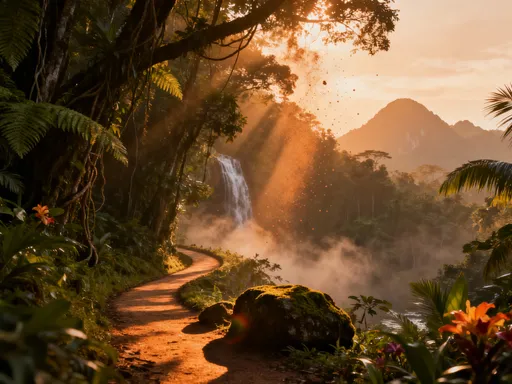
Langkawi’s interior is a labyrinth of tropical forest trails leading to cascading waterfalls, natural pools, and hidden clearings alive with bird song. Among the most cherished destinations is Telaga Tujuh, or Seven Wells Waterfall, a series of seven terraced falls fed by mountain streams. The final pool, surrounded by smooth rock and overhanging ferns, invites a refreshing dip after the 20-minute uphill hike. The trail is well-maintained with stone steps and handrails, suitable for older children and moderately fit adults. Along the way, informational plaques describe medicinal plants used in traditional Malay healing, adding an educational layer to the experience. Early morning visits ensure cooler temperatures and greater chances of spotting wildlife before the heat drives animals into shade.
Durian Perangin Waterfall, though less famous, offers a more intimate jungle experience. Located near the village of Ulu Melaka, this single-drop cascade flows into a wide, shaded pool perfect for cooling off. Because it’s less promoted in guidebooks, visitor numbers remain low, allowing for peaceful contemplation amidst nature. The surrounding forest is home to silvered leaf monkeys, which often leap between branches overhead, and red junglefowl, the wild ancestors of domestic chickens, that scratch through leaf litter in search of food. Birdwatchers may catch sight of the rhinoceros hornbill, Langkawi’s iconic bird, with its striking yellow casque and deep, resonant call.
Safety is paramount when exploring these humid, uneven environments. Sturdy footwear with good grip prevents slips on wet rocks and muddy paths. Carrying ample water prevents dehydration, especially during midday hikes, and wearing lightweight, breathable clothing helps regulate body temperature. Insect repellent is advisable, though mosquitoes are less prevalent in moving water areas. For added security, many families opt for guided walks led by certified eco-guides who know the terrain and can point out subtle signs of animal activity. These jungle excursions do more than entertain—they foster a deep appreciation for biodiversity and remind us of the quiet wonders that thrive beyond paved roads.
Island Hopping Done Right: Must-Visit Outlying Islands
One of Langkawi’s greatest joys is discovering its satellite islands, each with its own character and charm. Organized boat tours make these destinations accessible, but choosing the right operator can make all the difference. Pulau Payar Marine Park stands out as a top destination for snorkeling, with vibrant coral gardens and schools of angelfish, parrotfish, and blue tangs visible just below the surface. A floating platform allows safe entry into the water, and life jackets are provided for less confident swimmers. To avoid overcrowding, select smaller group tours or private charters that limit passenger numbers and spend more time at each site.
Pulau Beras Basah, meaning “Wet Rice Island,” lives up to its name with powdery white sand that feels cool underfoot even in strong sunlight. Though small, it offers excellent swimming conditions and shaded picnic areas beneath coconut palms. Unlike developed resorts, there are no restaurants or shops—visitors bring their own food and drinks, reinforcing a sense of simplicity and connection to nature. Pulau Rebak Besar, part of the same marine park, is quieter still, with pristine reefs and minimal foot traffic. Its deeper waters attract reef sharks and sea turtles, making it a favorite among experienced snorkelers.
Responsible reef etiquette is essential to protect these fragile ecosystems. Never touch or stand on coral, avoid using chemical sunscreens that harm marine life, and refrain from feeding fish. Eco-conscious operators provide biodegradable sunscreen and educate guests on conservation practices. For mothers and travelers who value sustainability, supporting these green initiatives brings a deeper sense of purpose to the journey. Island hopping isn’t just about seeing new places—it’s about learning to tread lightly, respect marine habitats, and leave only ripples behind.
Sunset, Culture, and Quiet Corners: Slowing Down in Langkawi
In a world that often feels rushed, Langkawi offers sanctuary through stillness. Some of the island’s most moving moments occur not on grand stages but in quiet corners—the golden glow over flooded paddy fields, the gentle lap of waves against wooden stilt houses, the silhouette of fishing boats at dusk. Pantai Kok, located near the northern end of the coast, is a favored sunset spot that avoids the crowds of more commercialized beaches. Families gather here with picnic mats, children fly kites in the evening breeze, and couples walk hand-in-hand along the water’s edge. There are no loud speakers or food stalls—just the natural theater of light fading into twilight.
Cultural encounters add depth to these quiet moments. Traditional Malay villages dot the interior, where homes raised on wooden stilts reflect centuries-old architectural wisdom adapted to monsoon climates. When photographing these scenes, it’s important to ask permission if people are present and to avoid intrusive behavior. Many villagers welcome respectful interest and may even invite conversation over sweet tea. These interactions, brief as they may be, foster mutual understanding and enrich the travel experience far beyond souvenirs or sightseeing checklists.
Slowing down allows travelers to absorb Langkawi’s essence—not as a checklist of attractions, but as a living, breathing place shaped by nature and tradition. For women who often carry the emotional labor of family trips, this mindful approach brings renewal. Instead of rushing from one site to the next, savoring a single moment—a child’s laughter in a waterfall pool, the scent of frangipani in the evening air—creates lasting memories. Langkawi teaches that beauty isn’t found in speed, but in presence.
Making the Most of Langkawi’s Natural Wonders
Langkawi’s magic lies in its ability to balance accessibility with authenticity. With thoughtful planning, travelers can move beyond the expected and uncover experiences that resonate on a deeper level. By visiting during the dry season, choosing eco-friendly transport, and seeking out lesser-known trails and shores, visitors honor both the island’s natural gifts and the communities that steward them. Each hidden waterfall, quiet beach, and sunrise viewed from the treetops becomes more than a photo—it becomes a story, a feeling, a moment of connection.
The island invites mindful exploration. Whether you're a mother seeking peace, a nature lover drawn to biodiversity, or a traveler craving authenticity, Langkawi responds with generosity. Its landscapes remind us that beauty thrives not in perfection, but in balance—in the harmony between development and preservation, activity and stillness, discovery and respect. As you plan your journey, let curiosity guide you, but let care lead the way. Explore with open eyes, tread gently, and carry home not just memories, but a renewed sense of wonder.