Reconnected with an Old Friend After 12 Years: The Note App That Kept Our Memories Alive
You know that bittersweet feeling when you stumble upon an old photo or message and suddenly miss someone you’ve lost touch with? I felt it last month—until I realized the notes I’d saved in one simple app had quietly preserved our connection all along. What started as a tool for organizing thoughts became something deeper: a bridge to the past, and a surprise reunion I never saw coming. It wasn’t a social media alert or a mutual friend’s nudge. It was just me, looking for a recipe, when an old voice memo played softly from my phone. And in that moment, time folded. I wasn’t in my kitchen anymore. I was back in college, sitting on a worn-out couch, laughing with my best friend like nothing else mattered. That app didn’t just store data—it held a piece of my heart, waiting for me to remember.
The Forgotten Message That Changed Everything
It started with something completely ordinary. I was searching for a banana bread recipe—one we used to make together during finals week, back when we thought caffeine and carbs could power us through anything. I opened my note app, typed “banana bread,” and there it was: a voice memo labeled “for Lila,” my best friend from college. I hadn’t seen her in twelve years. Not since she moved across the country, got married, started a family, and life simply pulled us in different directions. I don’t know why I never deleted it. Maybe I couldn’t. Maybe some part of me knew I’d want to hear her voice again.
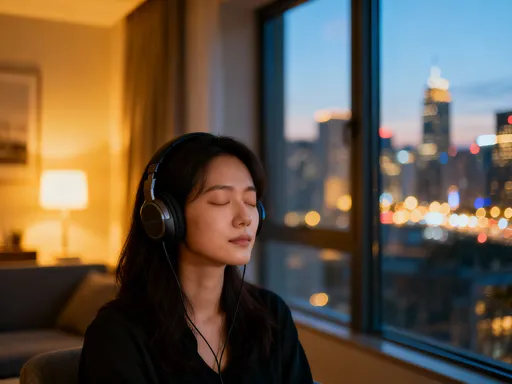
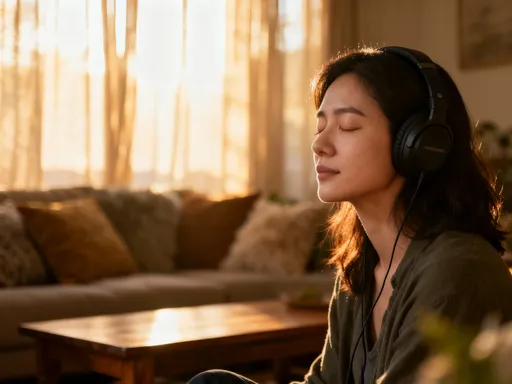
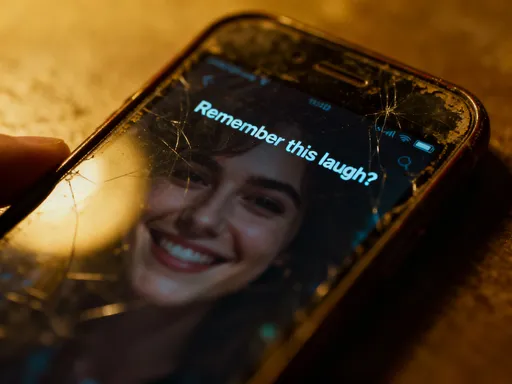
When I tapped play, her laugh came through the speaker like a gust of warm wind. “You’re going to burn it again, I just know it!” she teased, mimicking my frantic kitchen energy. I froze. My eyes filled instantly. It wasn’t just the sound—it was the way she said “burn,” stretching the word like taffy, the same way she did when we were twenty and thought we’d be best friends forever. And we had been. For four intense, messy, beautiful years, we were each other’s anchor. We shared everything—dreams, fears, boy troubles (though never the deep kind), and midnight snacks. We were two puzzle pieces that fit perfectly, even when the rest of life felt jagged.
That voice memo was from a weekend we spent baking, filming a silly cooking “show” on her phone. We never posted it. It was just for us. And yet, there it was, preserved in digital amber. I listened to it three times in a row. Then I sat on the floor of my kitchen, phone in hand, wondering how something so small could feel so monumental. This wasn’t just a file. It was a time machine. And in that moment, I realized something: we weren’t really lost. We were just paused. And maybe, just maybe, we didn’t have to stay that way.
How a Simple Note App Became Our Time Capsule
I never set out to create a memory archive. Back in college, the note app was just practical. We used it to share grocery lists, lecture notes, and song lyrics we couldn’t get out of our heads. Lila once sent me the lyrics to “Here Comes the Sun” after a particularly rough week. I saved it under “songs that heal.” Another time, I scribbled down a quote from a professor: “Growth often feels like breaking.” I tagged it “life advice,” and she added a comment: “Spoken like someone who just survived group project night.” It was silly, fleeting—but real.
What I didn’t realize was how those little exchanges were building something bigger. Over time, as our lives changed, we stopped texting daily. Then weekly. Then monthly. Eventually, silence. But I never cleaned out the app. I told myself I’d “get to it someday.” But deep down, I think I was afraid. What if deleting those notes meant deleting her? What if I lost not just the words, but the feeling of being understood by someone who knew me before I even knew myself?
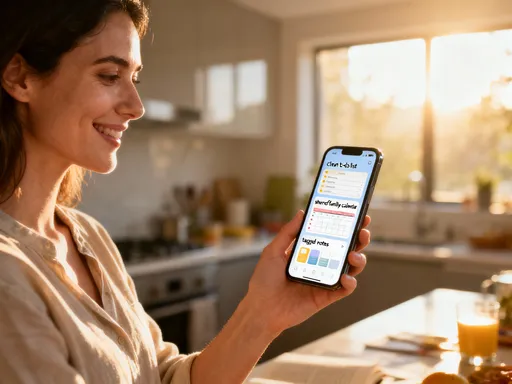
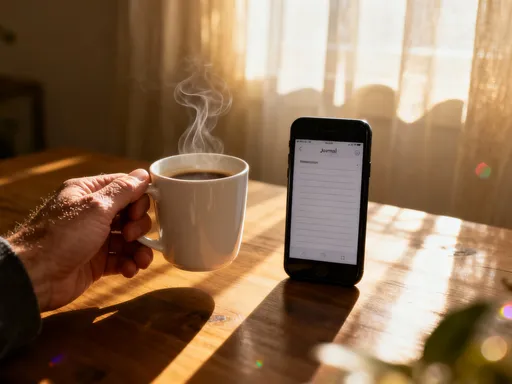
The app’s quiet persistence made it easy to keep them. Auto-sync across devices meant I didn’t have to think about it. My notes lived on my phone, my tablet, my laptop—always there, like old furniture in a room I rarely entered. The tagging system helped too. I’d tagged entries with things like “Lila - funny,” “Lila - deep,” “Lila - kitchen disasters.” I didn’t do it for organization. I did it because it felt like honoring the moments. And the voice memos—those were the gold. I’d record a song I thought she’d like, or a rant about a bad day, and send it as a note. No pressure to respond. No expectation. Just sharing into the void, hoping she’d hear it and smile.
Unlike social media, which thrives on performance and likes, this felt private. Intimate. No filters. No audience. Just us. And because it wasn’t public, it didn’t fade with trends. It wasn’t buried under a flood of updates. It stayed. Waiting. And when I finally returned, it wasn’t asking for attention. It was just… there. Like a letter left on a doorstep, sealed but never opened—until now.
The Unexpected Features That Kept Us Close
I always thought of note apps as digital notepads—good for shopping lists and meeting agendas. But over the years, I discovered features I never knew I needed. Location-based reminders, for instance. One rainy Tuesday, as I walked past a café near my old campus, my phone buzzed. “You were here with Lila on May 12, 2011,” the reminder said. “You spilled coffee on your notes and laughed for ten minutes.” I stopped in my tracks. I didn’t even remember creating that reminder. But there it was—a tiny digital ghost of our past, tapping me on the shoulder.
That feature, meant for productivity, had quietly become emotional bookmarking. It wasn’t just reminding me of a place. It was reminding me of a feeling. And that feeling—light, unburdened, full of shared silliness—was one I hadn’t realized I’d missed so deeply. I went inside, ordered the same oat milk latte we used to drink, and sat in the corner booth. I opened the app and found the note I’d written that day: “Lila says I’m a walking disaster. She’s not wrong. Also, she made me laugh so hard I snorted. 10/10 day.”
Another feature that surprised me was handwriting search. I used to jot down ideas on my tablet with a stylus, especially when I was emotional. Years later, I searched “remember the time” and found a scrawled note: “Lila held my hand when I cried about my dad’s diagnosis. Didn’t say much. Didn’t need to.” I hadn’t remembered writing that. But seeing it—reading my own shaky letters—brought the memory back in full color. The way she squeezed my fingers. The quiet strength in her eyes. The way she stayed until I stopped shaking.
And then there was audio transcription. I’d record voice memos when I was too tired to type, and the app would turn them into text. One day, I searched “remember the rooftop,” and found a transcribed message: “We sat on the dorm roof, eating cold pizza, watching the sunrise after finals. Lila said, ‘I hope we’re still doing this when we’re 40.’ I said, ‘With better pizza.’ She laughed. I hope we are too.” I hadn’t thought about that night in years. But the app had remembered. It had filed it under “memories,” tagged it with “hope,” and kept it safe until I was ready to find it again.
From Notes to Reconnection: The First Message in Years
After hearing her voice again, I wanted to reach out. But I hesitated. Twelve years is a long time. What if she didn’t remember me the way I remembered her? What if her life had moved on so completely that I was just a ghost from her past? I opened a new note in the same app we used to share and started typing. “Hey Lila. I was going through old notes and found that voice memo from the banana bread disaster. I had to smile. I still burn everything, by the way. I hope you’re doing well.”
I read it. Deleted it. Rewrote it. Tried again. “Hi Lila. It’s been forever. I don’t even know if you’ll get this. But I heard your voice today in an old note, and it made me miss you. I hope life is good to you.” Still felt too heavy. Too emotional. I didn’t want to burden her. I didn’t want to seem like I was asking for anything. I just wanted her to know she was remembered.
Finally, I settled on something simple: “Heard your voice today. Miss you.” I sent it through the shared notebook we never officially closed. No subject line. No emojis. Just words. And then I waited. I checked my phone every ten minutes. I told myself not to expect anything. But five minutes later, a notification popped up. “I miss you too. And you *still* can’t bake, can you?”
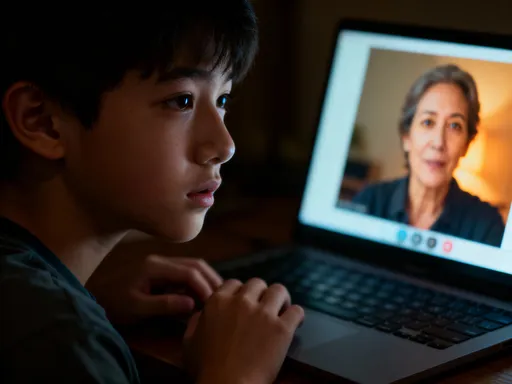
I laughed. Then I cried. Then I called her. We talked for over an hour. She told me about her daughter, her job, her garden. I told her about my dog, my work, my quiet little life. We didn’t try to pretend the years hadn’t happened. We just picked up, not where we left off, but where we were now. And somehow, that was enough. Better, even. Because we weren’t twenty anymore. We were wiser. Weavier with life. And we still chose to reconnect.
How This Changed the Way I Use Technology
Before this, I used technology to stay organized, productive, efficient. I tracked my steps, scheduled my meals, color-coded my calendar. But I never thought of my devices as vessels for emotion. That voice memo taught me something important: the best tech doesn’t just help us do more. It helps us *feel* more. It holds space for what matters—even when we forget to look.
Now, I use my note app differently. I don’t just save information. I save feeling. I’ve created tags like “made me laugh,” “felt seen,” “quiet moment,” “I was proud of myself.” When I’m having a hard day, I search “made me laugh” and listen to voice notes of my niece telling knock-knock jokes or my sister impersonating our mom. It’s not escapism. It’s emotional nourishment.
I’ve also started saving quotes not because they’re wise, but because they remind me of people. A line from a poem my dad loved. A silly saying my best coworker repeats every Monday. I tag them with names. Not for collaboration. For connection. And when I stumble on them later, it’s like getting a hug from the past. Technology, when used with intention, can be deeply human. It can remember what we forget. It can whisper, “This mattered,” long after the moment has passed.
A New Habit: Building Bridges, Not Just Lists
These days, I leave digital traces on purpose. After a good phone call with my mom, I record a short voice note: “Just talked to Mom. She said the roses are blooming. She sounded happy.” I don’t send it. I just save it. Someday, when I miss her voice, I’ll find it. I take screenshots of text messages that make me smile and save them with captions like “Friendship in three sentences” or “Proof that love shows up in small ways.”
I’ve even started sharing notebooks with people I care about—not for planning vacations or splitting bills, but for continuity. My sister and I have a shared space where we drop song links, book recommendations, and photos of our dogs doing ridiculous things. No rules. No deadlines. Just a digital scrapbook of our bond. My cousin and I use it to exchange recipes from our childhood, each one tagged with a memory: “Aunt Maria’s kitchen, 2003,” “Christmas morning, snow falling.”
These aren’t productivity hacks. They’re love hacks. They’re tiny acts of emotional preservation. And they’ve changed my relationships. I feel closer to people, even when we’re miles apart. Because I’m not just remembering them. I’m honoring the moments we’ve shared. And in a world that moves too fast, that feels like an act of resistance. A way of saying, “You mattered. You still do.”
Why This Matters More Than Ever
We live in a time of constant noise. Notifications ping like mosquitoes. Social media feeds scroll endlessly, demanding our attention but rarely giving us connection. We’re more “connected” than ever, yet so many of us feel lonelier. We collect followers, but lose touch with friends. We document our lives, but forget to feel them.
That’s why what happened with Lila feels so important. It wasn’t algorithm-driven. It wasn’t a viral trend. It was quiet. Organic. Human. My note app didn’t push me to reconnect. It didn’t send me a reminder saying, “It’s been 12 years. Maybe text her?” It simply held our story, undisturbed, until I was ready to find it. And in doing so, it reminded me that real connection doesn’t need to be loud. It just needs to be possible.
Staying close to people isn’t about constant contact. It’s about keeping the door open. It’s about leaving breadcrumbs—digital or otherwise—that say, “I remember you.” It’s about using the tools we have not just to get through the day, but to hold on to what makes the day worth living.
Technology often gets blamed for pulling us apart. But in my experience, it can also pull us back together. Not by shouting. Not by demanding. But by remembering. By being there, quietly, when we finally look up from our busy lives and whisper, “I miss you.” And sometimes, just sometimes, the person on the other end is still listening.
So I’ll keep saving voice memos. I’ll keep tagging notes by emotion. I’ll keep sharing notebooks with no agenda. Because I’ve learned that the most powerful tech isn’t the fastest or flashiest. It’s the kind that helps us stay human. That helps us love better. That helps us remember—not just what we did, but who we were with. And if that means I’ll one day receive a note from someone I haven’t seen in years, saying, “I heard your voice today. Miss you,” then I’ll be ready. Because I’ll be waiting. And I’ll answer, “I miss you too.”